Iran Apologizes to Neighbours After Regional Strikes
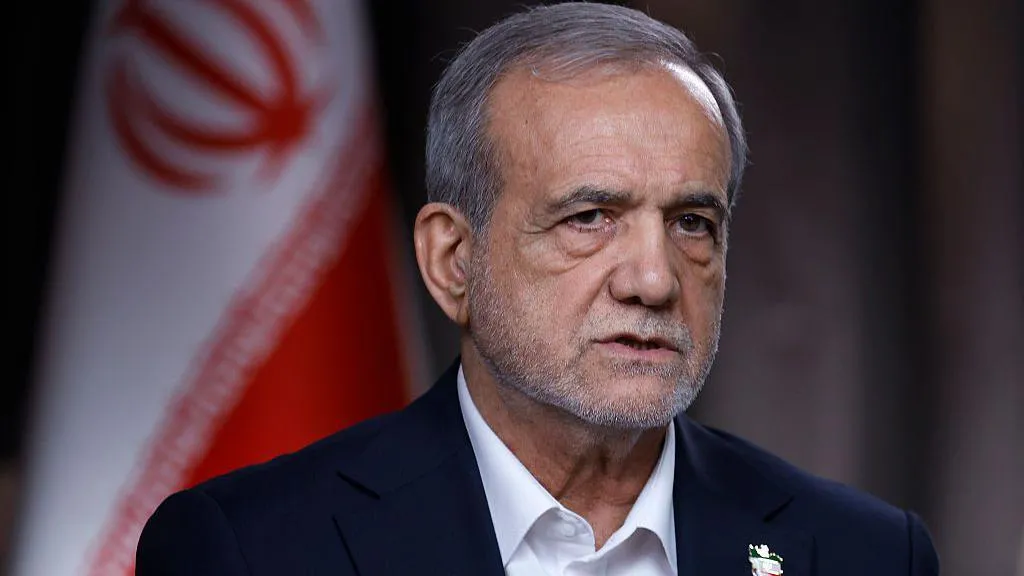
Iran’s President Masoud Pezeshkian surprised observers when he apologized to Iran’s neighbouring countries after recent military strikes. He delivered the statement on Saturday while addressing the country’s interim leadership.
Apologies between countries are rare, especially during an active conflict. Most leaders usually express “regret” instead of taking direct responsibility.
However, Pezeshkian clearly admitted that Iranian forces targeted neighbouring states. He said Iran has now ordered its military to stop strikes on neighbouring countries unless attacks against Iran start from their territory.
“I believe it is necessary to apologize to neighbouring countries that we attacked,” he said. “We do not plan to invade any neighbouring country.”
Why Iran Issued the Apology Now
The apology may be an attempt to reduce rising tensions in the region. Several countries have already been caught in the conflict.
The situation escalated after United States and Israeli strikes on 28 February. Those attacks killed senior Iranian commanders and disrupted Iran’s military command structure.
Pezeshkian said Iranian forces acted under “fire-at-will” orders after those strikes.
Iran Signals De-escalation With Regional Apology
By apologizing, Iran may be signaling that it does not want the conflict to expand into a wider regional war. Tehran appears to send a message of restraint to neighbouring countries.
Iran also recognizes a political reality. Some neighbouring states allow US forces to operate from bases on their territory. If Iran openly attacks those countries, it could isolate itself further in the region.
However, it remains unclear whether the apology will lead to real policy changes.
Missile Interceptions Raise Questions About Iran’s Control
Reports suggest that strikes linked to Iran have not fully stopped. Qatar and the UAE said on Saturday that they intercepted missiles targeting their territories.
These incidents raise concerns about control within Iran’s leadership. Earlier strikes killed several senior officials, including Supreme Leader Ayatollah Ali Khamenei. After those deaths, an interim leadership council took control of key decisions.
This structure may give President Masoud Pezeshkian more influence than before. Yet the government may still struggle to control powerful military institutions like the Islamic Revolutionary Guard Corps (IRGC).
If attacks continue despite the president’s statement, it could signal communication breakdowns or resistance from hardline factions.
Internal Political Tensions and Global Reactions
Some hardliners inside Iran have already criticized Pezeshkian’s apology. They believe strong regional pressure deters US and Israeli military power. For them, apologizing during a crisis looks like weakness.
Meanwhile, international reactions tell a different story. Former US President Donald Trump claimed on Truth Social that Iran had “apologised and surrendered” to its neighbours. He argued that US and Israeli military pressure forced the move.
However, forcing a country into total surrender through air strikes alone is rare. Without ground forces, achieving that goal remains extremely difficult.
For Pezeshkian, the main priority may be stability. A ceasefire could help calm the region while Iran prepares to choose a new permanent leader.
At the same time, several political and military figures may try to gain power during the crisis. Some leaders have already urged the Assembly of Experts to quickly select Iran’s next supreme leader.
For now, neighbouring countries remain cautious. Many governments wait to see if Iran’s apology leads to real changes on the ground.
Pezeshkian’s message leaves room for different interpretations. It may reflect a genuine effort to reduce tensions, a tactical move to buy time, or a shift in Iran’s internal political strategy.
Related Posts
https://pakithub.net/iran-warns-of-fifth-column-as-tensions-persist/
[…] https://pakithub.net/iran-apology-to-neighbours-regional-strikes/ […]
[…] https://pakithub.net/iran-apology-to-neighbours-regional-strikes/ […]