Coordinated Strikes Hit Strategic and Leadership Targets
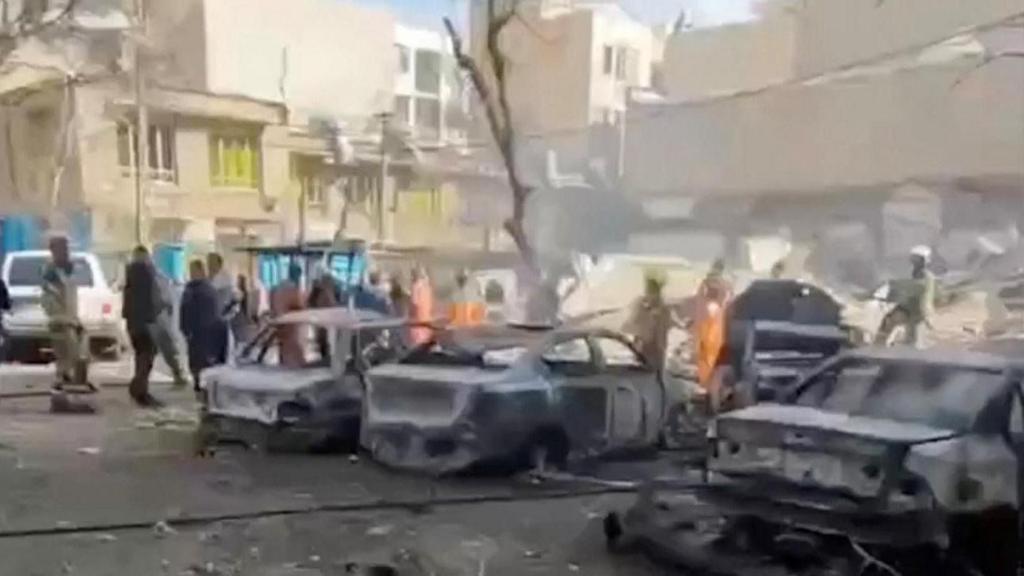
The Middle East witnessed a dramatic escalation after coordinated military strikes by the United States and Israel targeted multiple Iranian leadership and strategic sites. According to initial reports, the operation focused on key military, intelligence, and defense facilities across major Iranian cities. Officials described the action as a synchronized effort aimed at weakening Iran’s command and operational capabilities.
Reported Targets Across Major Iranian Cities
Strikes were reported in Tehran and other significant urban centers, hitting locations linked to Iran’s security establishment. Among the reported targets were facilities connected to senior leadership structures and defense institutions. While full details remain unconfirmed, the scope of the operation suggests one of the most direct confrontations between the parties in recent years.
Casualties and Damage Assessment Underway
Casualty figures and the extent of structural damage remain unclear as authorities assess the aftermath. Iranian state sources have reported civilian casualties in certain areas, though independent verification is still pending. Officials in Tehran stated that key leadership figures are safe, but investigations into the damage are ongoing.
Tehran Responds with Missile and Drone Strikes
In response, Iran launched missile and drone attacks targeting U.S. and allied assets across the region. Reports indicate that military installations and strategic facilities were among the targets. Iranian officials declared that further action could follow if strikes continue, signaling the possibility of prolonged confrontation.
Regional Airspace Closures and Travel Disruptions
The escalation triggered widespread airspace restrictions across parts of the Middle East. Several countries issued travel advisories, and commercial airlines suspended or rerouted flights over affected areas. Authorities in multiple states urged residents to remain alert as security measures intensified.
Global Reactions and Calls for Restraint
International reactions have been swift. Several world powers called for immediate de-escalation and a return to diplomatic engagement to prevent a broader conflict. Others voiced concern over regional stability, warning that continued exchanges could draw in additional actors and destabilize global markets.
Situation Remains Highly Fluid
The crisis continues to evolve rapidly, with military and political developments unfolding hour by hour. Analysts warn that without swift diplomatic intervention, the confrontation risks expanding beyond bilateral strikes into a wider regional conflict.